Sierra de San Francisco
Sitio de patrimonio de la humanidad.
Historia
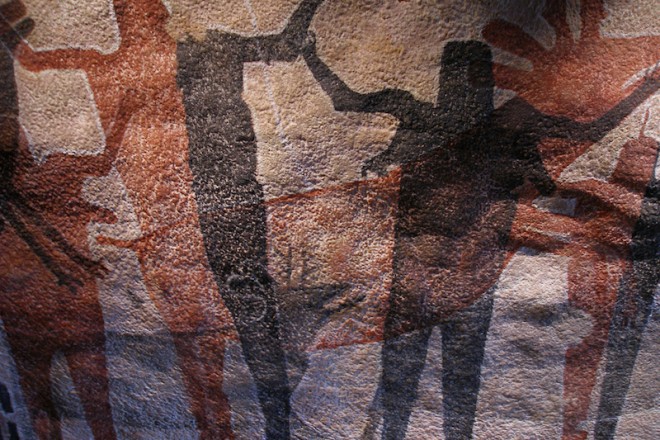 Anteriormente la Sierra de San Francisco fue habitada por la comunidad indígena Cochimí, y en los años 1700´s fue invadido por los misioneros españoles que exploraban la península de Baja California. Los primeros registros del área datan de 1789 en los escritos del jesuita Francisco Javier Clavijero. Según la información que se ha ido trasmitiendo por generaciones, el rancho San Francisco de la Sierra fue fundado por el Sr. Buenaventura Arce el 12 de diciembre de 1857, sin embargo formalmente se constituye hasta el año de 1867. La Sierra de San Francisco por décadas se ha distinguido por albergar un importante número de rancheros dedicados a la cría y ordeña de cabras y producción de queso fresco y oreado, que por siempre les ha representado su ingreso más importante, al que solo se suma el que se origina por la venta de animales de desecho y cabritos machos, y las actividades de turismo para la visita de galerías de arte rupestre. Dentro de la cultura material destaca la utilización del cuero para los aditamentos de montar. Actualmente no hay indígenas en el área, los rancheros son considerados por algunos estudiosos como los sobrevivientes del último grupo local pertenecientes a los Cochimíes y de hecho existe una propuesta ante el INAH para que el sitio sea declarado como pueblo indígena.

.JPG)